 English
 français
 Deutsch
 Español
 italiano
 русский
 português
 العربية
 ไทย
ไทย čeština
 Polska
Water pumps rely on sealing components to maintain pressure, prevent leakage, and ensure stable operation. Among these components, ceramic seals for water pumps are widely used because of their excellent hardness, corrosion resistance, and ability to maintain reliable sealing performance in demanding environments. However, even high-quality ceramic water pump seals can experience performance problems when exposed to improper installation, harsh operating conditions, or insufficient maintenance.
Understanding the common failure modes of ceramic water pump seals helps engineers, maintenance teams, and equipment operators identify early warning signs and reduce unexpected downtime. This guide explains the causes behind ceramic seal damage, how operating conditions influence seal life, and practical methods to improve pump reliability.
Recognizing the Warning Signs of Ceramic Water Pump Seal Failure
The early symptoms of seal failure are often easier to detect than the final damage. Identifying these warning signs allows maintenance teams to take corrective action before a minor sealing issue develops into pump failure.
One of the most common indicators is leakage around the pump shaft area. A properly functioning seal should prevent fluid from escaping between rotating and stationary components. When ceramic water pump seals begin to wear, small amounts of leakage may appear and gradually increase.
Other typical warning signs include:
Unusual dripping or fluid accumulation near the pump housing
Increased vibration or abnormal operating noise
Rising operating temperature around the seal area
Reduced pump efficiency caused by pressure loss
Changes in seal performance can also indicate problems with the ceramic sealing faces. Scratches, cracks, or uneven wear patterns on ceramic surfaces may prevent proper contact between sealing rings, resulting in reduced sealing effectiveness.
For applications requiring higher reliability, choosing the correct mechanical seal structure is essential. China Sealcon provides different sealing solutions designed for various industrial pump applications. More information about available sealing technologies can be found through their mechanical seals product range.
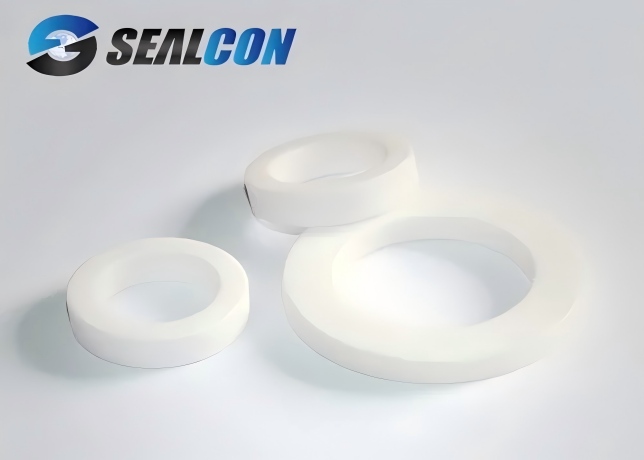
The Real Causes Behind Wear and Damage in Ceramic Pump Seals
Although ceramic materials are known for their excellent wear resistance, ceramic seals for water pumps can still fail when operating conditions exceed their design limits. Seal damage usually results from a combination of mechanical stress, environmental factors, and material interaction.
A major cause of failure is insufficient lubrication between sealing faces. Mechanical seals depend on a thin fluid film between the rotating and stationary faces to reduce friction. When this lubrication layer disappears, direct contact occurs, generating excessive heat and accelerating wear.
Common causes of ceramic seal wear include:
| Failure Cause | Impact on Ceramic Water Pump Seals | Prevention Method |
|---|---|---|
| Dry running | Creates high friction and heat, causing seal face damage | Ensure the pump always has sufficient liquid before operation |
| Contaminated fluids | Abrasive particles scratch ceramic surfaces | Use filtration systems and suitable seal designs |
| Excessive pressure | Causes uneven contact and premature wear | Select seals according to pump pressure requirements |
| Chemical incompatibility | May degrade seal materials or supporting components | Confirm material compatibility before installation |
Another important factor is thermal stress. Sudden temperature changes can create expansion differences between ceramic components and other seal materials. Over time, repeated thermal cycling may contribute to cracks or loss of sealing accuracy.
China Sealcon focuses on mechanical sealing technology and material selection to help customers achieve stable pump operation. Selecting appropriate ceramic combinations and seal structures is a critical step in preventing avoidable failures.
How Installation and Assembly Practices Affect Seal Performance
Even premium-quality ceramic water pump seals may fail prematurely if installation procedures are incorrect. Mechanical seals require precise alignment because sealing performance depends on accurate contact between highly finished surfaces.
One common installation mistake is damaging the ceramic sealing face during assembly. Ceramic components are hard but relatively brittle compared with metals, meaning impact, improper handling, or excessive force can create microscopic cracks that later develop into leakage problems.
Important installation practices include:
Cleaning all sealing surfaces before assembly
Avoiding scratches or contamination on ceramic faces
Checking shaft alignment and component positioning
Following the recommended installation dimensions
Incorrect spring compression is another issue that affects seal reliability. Too much pressure increases friction and wear, while insufficient pressure may prevent effective sealing. Proper adjustment ensures that ceramic sealing faces maintain stable contact without unnecessary stress.
Professional installation procedures are especially important in industrial environments where pumps operate continuously. Correct assembly not only extends the service life of ceramic seals for water pumps but also reduces maintenance frequency and operating costs.
How Working Conditions Shape the Reliability of Ceramic Seals for Water Pumps
The working environment has a direct influence on the durability of ceramic seals for water pumps. A seal designed for clean water applications may not perform effectively when exposed to abrasive fluids, chemicals, or extreme temperatures.
Several operating factors should be considered when evaluating seal performance:
| Operating Factor | Effect on Seal Reliability | Recommended Consideration |
|---|---|---|
| Fluid characteristics | Particles or chemicals can accelerate surface damage | Select suitable ceramic and auxiliary materials |
| Temperature range | High temperatures may affect seal components | Choose seals rated for actual operating conditions |
| Pump speed | Higher speeds increase friction and heat generation | Match seal design with pump operating speed |
| Pressure fluctuations | May cause unstable sealing contact | Use appropriate seal configurations |
For example, pumps handling wastewater or industrial fluids often face higher contamination risks than pumps used for clean water circulation. In such cases, ceramic water pump seals with suitable face materials and protective designs can provide better long-term reliability.
Selecting a seal based only on size or price may lead to frequent replacement. Engineers should consider the complete operating environment, including fluid type, pressure, speed, and temperature.
Maintenance Practices That Help Prevent Ceramic Water Pump Seal Problems
Regular maintenance plays an important role in preventing unexpected seal failures. While ceramic materials offer excellent durability, routine inspection helps identify problems before they affect the entire pumping system.
Effective maintenance practices include:
Inspecting for early leakage signs during scheduled equipment checks
Monitoring vibration and operating temperature changes
Keeping pump fluids free from unnecessary contamination
Replacing worn components before severe damage occurs
Operators should also avoid running pumps without fluid. Dry operation is one of the fastest ways to damage ceramic sealing surfaces because the seal relies on liquid lubrication to control friction and heat.
Maintaining proper operating conditions can significantly improve the service life of ceramic water pump seals. A preventive maintenance strategy is usually more cost-effective than emergency repairs caused by sudden seal failure.
Building More Reliable Pump Systems Through Better Seal Management
Reliable pump performance depends on more than selecting a durable seal material. A complete seal management approach includes proper product selection, professional installation, suitable operating conditions, and regular maintenance.
When choosing ceramic seals for water pumps, users should evaluate the entire application rather than focusing on a single factor. The correct combination of ceramic materials, seal design, and operating practices can significantly reduce leakage risks and extend equipment service life.
China Sealcon integrates sealing technology experience with practical application knowledge to help customers select suitable solutions for different pump systems. Whether the application involves water circulation, industrial equipment, or specialized fluid handling, professional technical support can help improve sealing reliability.
Conclusion
Failure problems in ceramic seals for water pumps are usually caused by a combination of wear, improper installation, unsuitable operating conditions, and insufficient maintenance. Although ceramic materials provide excellent hardness and corrosion resistance, they still require correct application and management to achieve maximum performance.
By recognizing early failure signs, selecting suitable ceramic water pump seals, following correct installation procedures, and implementing preventive maintenance, companies can reduce downtime and improve overall pump efficiency. Working with an experienced sealing supplier such as China Sealcon can also help ensure that sealing solutions match specific operating requirements.
FAQ
1. Why do ceramic water pump seals fail?
Ceramic water pump seals usually fail because of dry running, contamination, excessive pressure, improper installation, or unsuitable operating conditions.
2. How can I identify ceramic seal failure in a water pump?
Common signs include leakage, unusual vibration, increased temperature, reduced pump efficiency, and visible wear on sealing surfaces.
3. Are ceramic seals suitable for all water pump applications?
Ceramic seals are suitable for many water pump applications, but material selection should match fluid type, temperature, pressure, and operating speed.
4. How does dry running damage ceramic water pump seals?
Dry running removes the lubricating liquid film between seal faces, causing friction, heat buildup, and accelerated surface damage.
5. How often should ceramic water pump seals be replaced?
Replacement intervals depend on operating conditions, fluid characteristics, installation quality, and maintenance practices rather than a fixed time period.
6. How can the service life of ceramic seals for water pumps be extended?
Proper selection, correct installation, clean operating fluids, regular inspections, and avoiding dry operation can significantly extend seal life.
-
China Water Pump Spare Parts: Complete Guide to Water Pump Components and Parts List
-
Different Types of Pump Seals: A Complete Guide to Pump Mechanical Seal Types
-
Mechanical Seal Stationary Seat: Complete Guide to Stationary Parts Sealing and Seal Seat Selection
-
Flygt Pump Mechanical Seal Installation Guide: Choosing Compatible Replacement Seals for Flygt Pumps
-
Sealing Sense
-
Classification Of Rubber Seal Ring